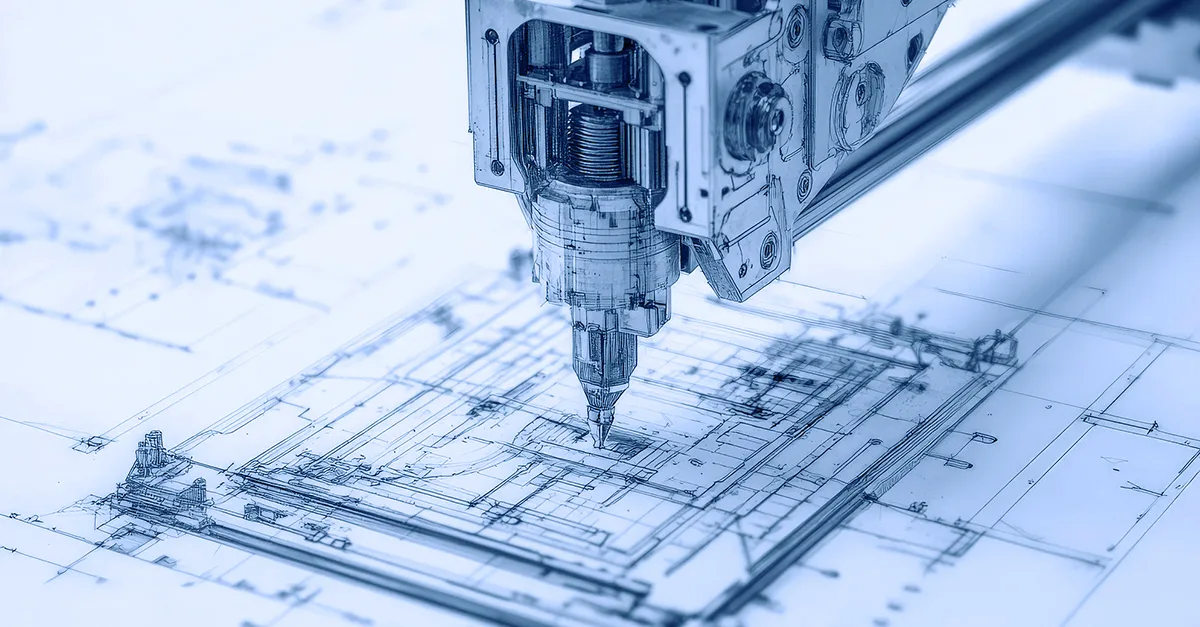
If there was one phrase we kept hearing at SEMICON Europa this year, it was Physical AI. Walk the show floor, sit in on a session or strike up a conversation at a booth, and the topic came up repeatedly. The industry has clearly moved past thinking of AI as software alone. The focus now is on AI that connects to the real world, through both software and hardware.
And the mood? Energized. The semiconductor industry is thriving, and there was a real buzz in the halls. Here's what stood out to us.
From the data center to the shop floor
Manufacturers aren't just curious about AI anymore. They want to put it to work where production actually happens. The conversations we had centered on AI that links directly to shop floor operations, connecting with machines, equipment and processes instead of living in a dashboard.
That ambition showed up on the exhibit floor, too. A lot of vendors were selling hardware, a reminder that Physical AI depends on the sensors, devices and equipment that bring the physical world into reach of AI.
Semiconductors play a double role
What makes this moment especially interesting for our industry is that semiconductor manufacturers sit on both sides of the story. Fabs want to bring Physical AI into their own plants. At the same time, many of them are producing the very components that make the connection between AI and the physical world possible. They are both the builders and the users of this next wave.
Faster innovation, and more reason to collaborate
The opening keynote set the tone by highlighting how AI is speeding up the pace of innovation across the industry. That speed brings a new kind of pressure. To keep up globally, suppliers will need to work together more closely rather than compete in isolation. Collaboration is quickly becoming a competitive requirement, not just a nice-to-have.
None of this means the hard problems are solved. Plenty of challenges remain, and many are still open questions. But the industry is moving faster than ever, and the level of interest in AI for manufacturing made it clear that companies are ready to tackle them.
Looking ahead
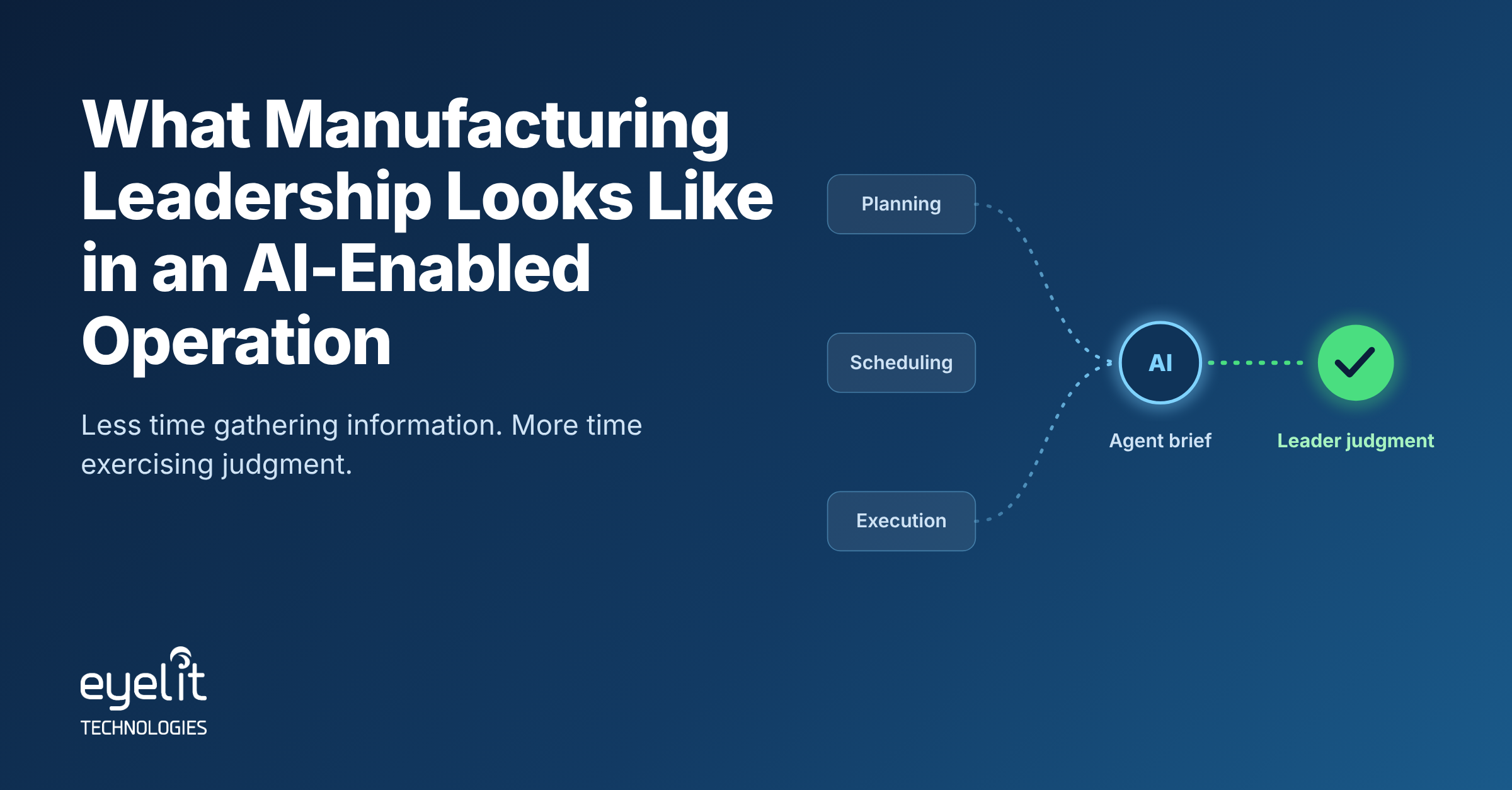
We left the show with a strong sense of momentum. As Physical AI moves onto the shop floor, manufacturers will need planning, scheduling and execution systems that connect AI to real operations. That connection is what turns AI from insight into action.
At Eyelit Technologies, that's exactly the gap we help semiconductor manufacturers bridge, with integrated solutions that optimize decisions from planning through execution. Curious how Eyelit can support your Physical AI journey? Visit www.eyelit.com/semiconductor to learn more.